Common household items that are actually bad for the environment

It'southward no secret that the environment is facing some serious challenges. In May, the United Kingdom declared a land of emergency because of climate change, and soon thereafter Ireland, France, Canada, and New York City all followed suit. The United Nations Surround Programme (UNEP) reports that issues such every bit land degradation, water scarcity, loss of biodiversity, and climate change are all "growing issues that demand to exist urgently addressed." Other problems include air and water pollution, deforestation, wildlife destruction, and resources depletion. According to sometime UNEP Executive Managing director Achim Steiner: "If current trends continue and the world fails to enact solutions that improve current patterns of production and consumption…then the state of the earth'south environment volition continue to decline."

Air pollution causes one in 10 deaths worldwide, according to the World Bank, making it the fourth-largest chance factor throughout the globe. In North America solitary, about 140 million people are exposed. Further, UNEP says that new chemical contaminants are emerging every day. Global warming is another huge gene impacting North America. "Climate change is damaging the environment, human health and well-being and, in some cases, human security in the region," the organisation says. In addition, there are threats to waterways and coastal ecosystems because of acidification, ocean warming, sea level ascent, and marine droppings.

With these threats, it's hard to know where to start if yous want to help. All the same, some environmentalists say the best identify to begin is within your ain dwelling house. Many everyday items lying around your house tin can be contributing to the problem considering of what they're made of, how they're produced, or how they're disposed of. Merely it's not always obvious. Certain, there are the easy ones similar plastic numberless and motor oil, only many of the biggest threats are more insidious.

To help give yous a better idea of what surprising household items are pain the environment, Stacker has put together a gallery of 30 common items that are ecologically harmful. In each slide, we've provided data about why the particular is harmful and what you can do to reduce your impact. Take a look to come across which ones surprise you.

You may too like:10 biggest dangers to the Amazon rainforest

one / 30

Dmitry Zimin // Shutterstock

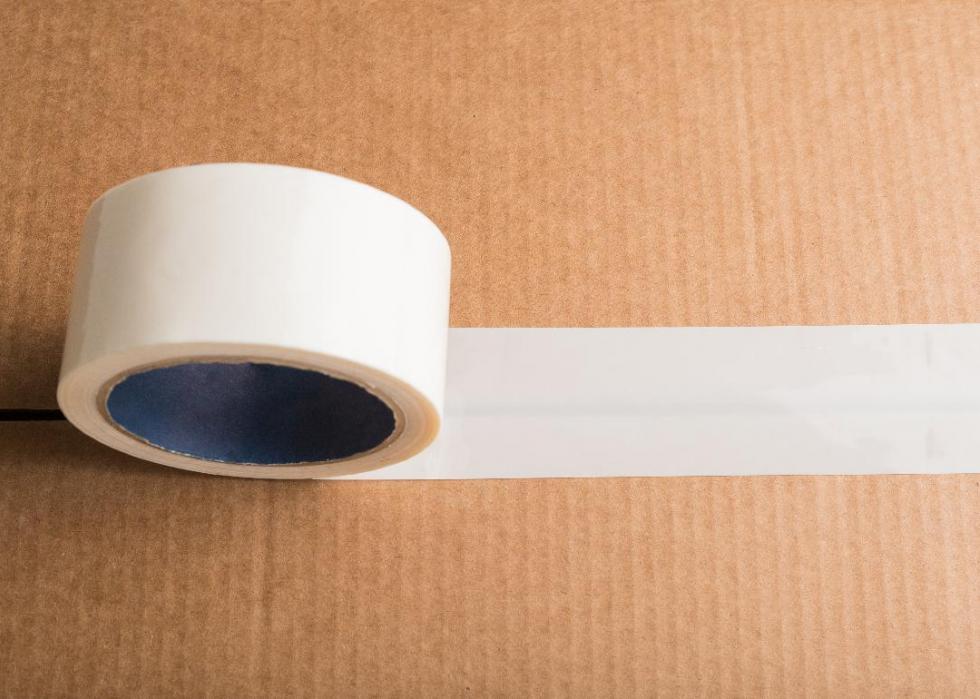
Adhesive tape

You wouldn't call back something equally small as a piece of tape could have such a major impact on the surroundings but the tiny scraps, made with synthetic resins and plastic films that contribute to greenhouse gas emissions, add upwardly fast. Not simply that, when tape and pasty residual are left on cardboard boxes, they interfere with the recycling process. Luckily, some types of tape (such as masking record and cellophane) are actually compostable so using them is a great way to reduce your footprint.

2 / 30

ALFREDO ESTRELLA // Getty Images

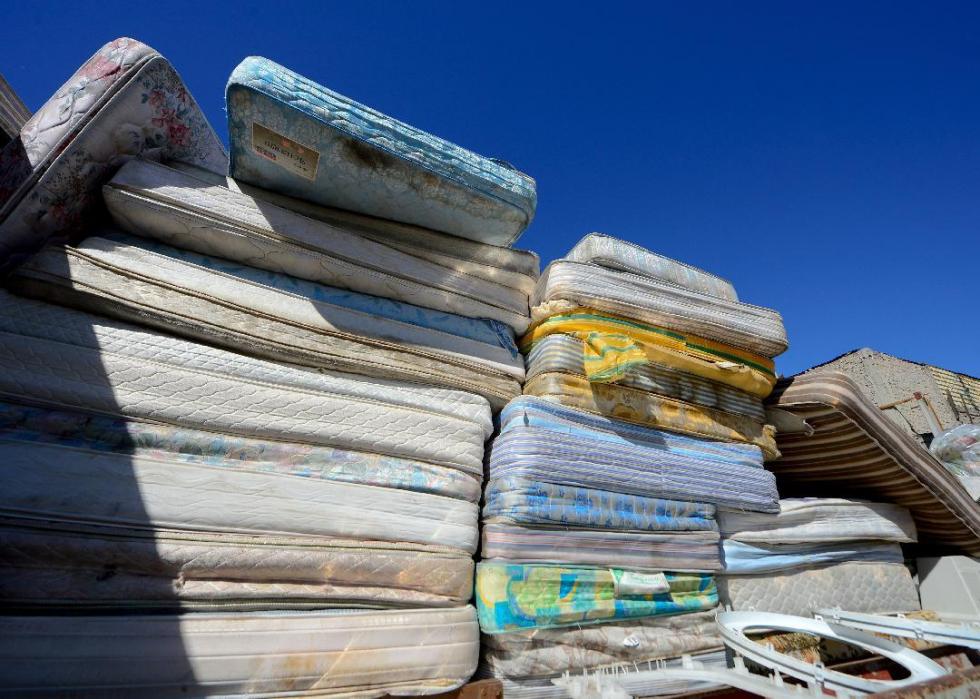
Mattresses

According to the Cascade Alliance, Americans throw abroad xx million mattresses and box springs every yr, contributing 450 million pounds of waste to landfills and sprawling for 100 million cubic anxiety. If yous lined them up, in fact, they would circle the Earth. Mattresses are also made using hazardous flame-retardant chemicals that tin can leach into drinking water supplies. The good news is that much of their components can be recycled if broken downwardly showtime, and a growing number of facilities offering this service (at that place are currently 56 in the United States).

3 / 30

photosync // Shutterstock

Tea numberless

While drinking tea is ofttimes associated with holistic medicine and eco-friendly lifestyles, tea bags tin can be harmful to the environment. "Many tea drinkers are blissfully unaware that the tea bag from their daily cuppa is sealed using plastic," Co-Op Food CEO Jo Whitfield explained to The Guardian. "Even though it's a relatively minor amount, when you consider the 6bn cups of tea that are brewed up every yr in the UK, we are looking at effectually 150 tons of polypropylene—that's an enormous corporeality of accumulated plastic waste that is either contaminating food waste compost collections or simply going to landfill." Fortunately, an increasing number of brands are turning to sustainable tea bags.

iv / 30

LOIC VENANCE // Getty Images

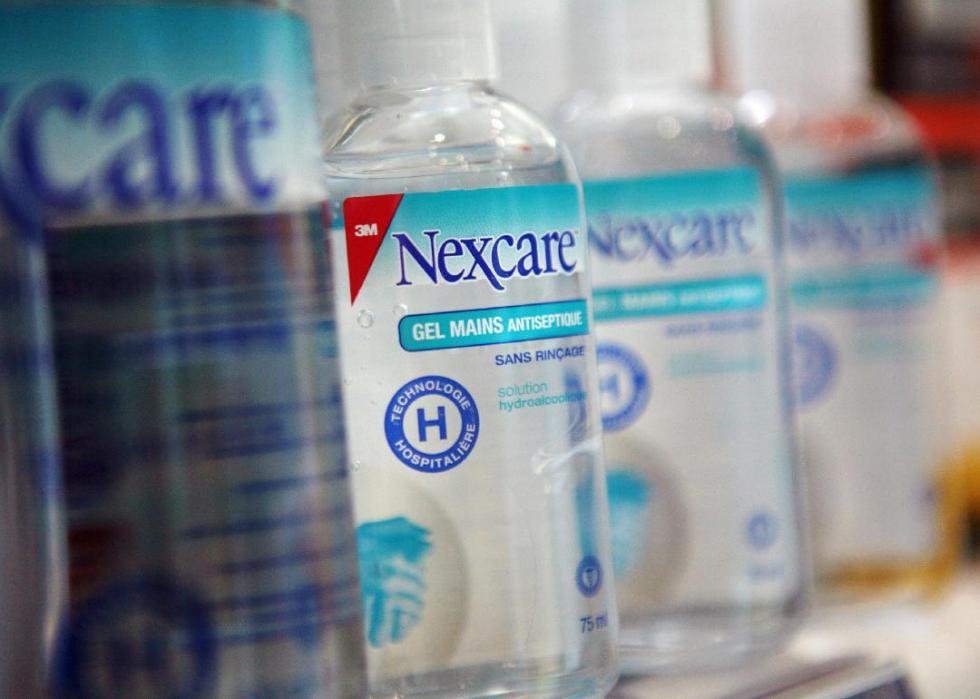
Hand gel

Virtually antibacterial gels contain triclocarban (TCC) and triclosan (TCS), two chemicals known to degrade slowly. According to Lecia Bushak of Medical Daily, the chemicals account for 60% of all drugs found in sewage and wastewater treatment sludge. These contaminate lakes and rivers, and harm aquatic life.

5 / thirty

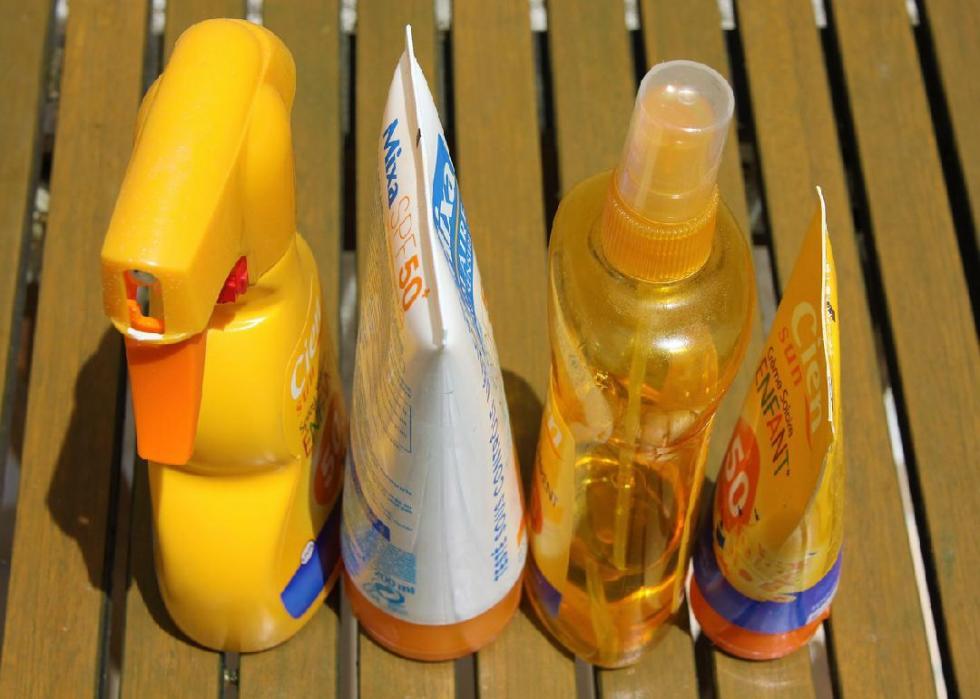
Sunscreen

When y'all're lathering yourself in a sunscreen at the embankment, the irony is that y'all may exist contributing to the destruction of the coral reefs offshore. There are four chemicals in sunscreen responsible for the trouble—paraben, benzophenone, cinnamate, and camphor. These chemicals bleach coral reefs, stripping them of their defense mechanisms and setting them up for diseases, viral infections, and ultimately their demise. If you want to assistance, opt for eco-friendly, "reef-safe" brands.

6 / 30

MLADEN ANTONOV // Getty Images

Plastic straws

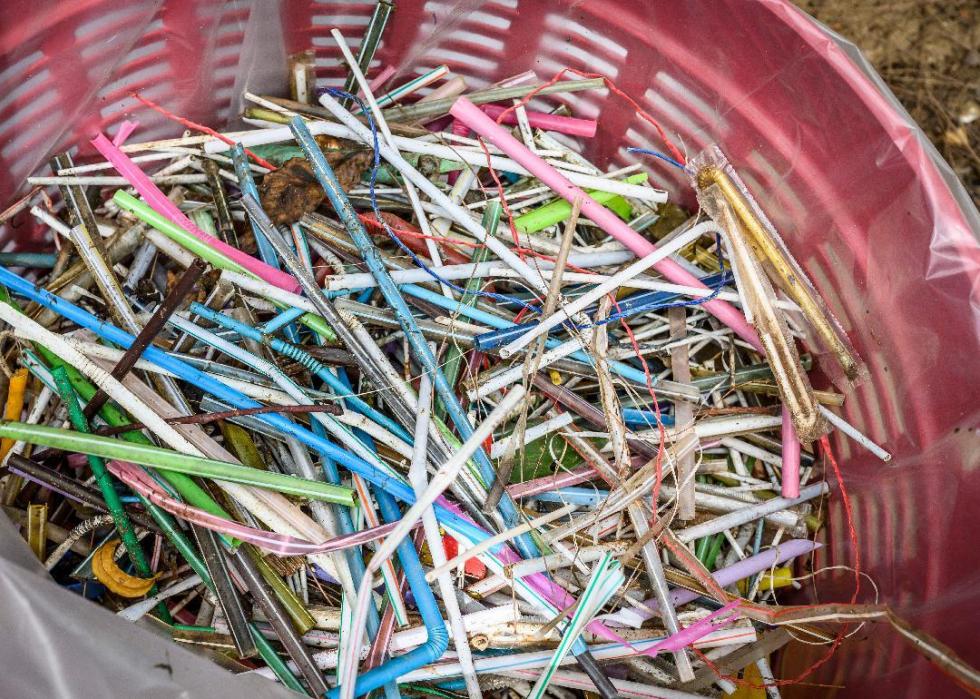
Plastic straws are getting more than attending these days as meaning environmental threats; all the same, many people are nevertheless unaware of the extent of their harm. The Trash Free Seas Alliance reports that Americans use 1.6 straws a mean solar day—plenty to circle the equator more than twice. At the same time, plastic has been discovered in a whopping 90% of all seabirds and 100% of all sea turtle species. These days, more Earth-friendly straw alternatives are available, including newspaper, glass, stainless steel, and bamboo.

7 / 30

AnastasiaPetropavlovskaya // Shutterstock

Low-cal bulbs

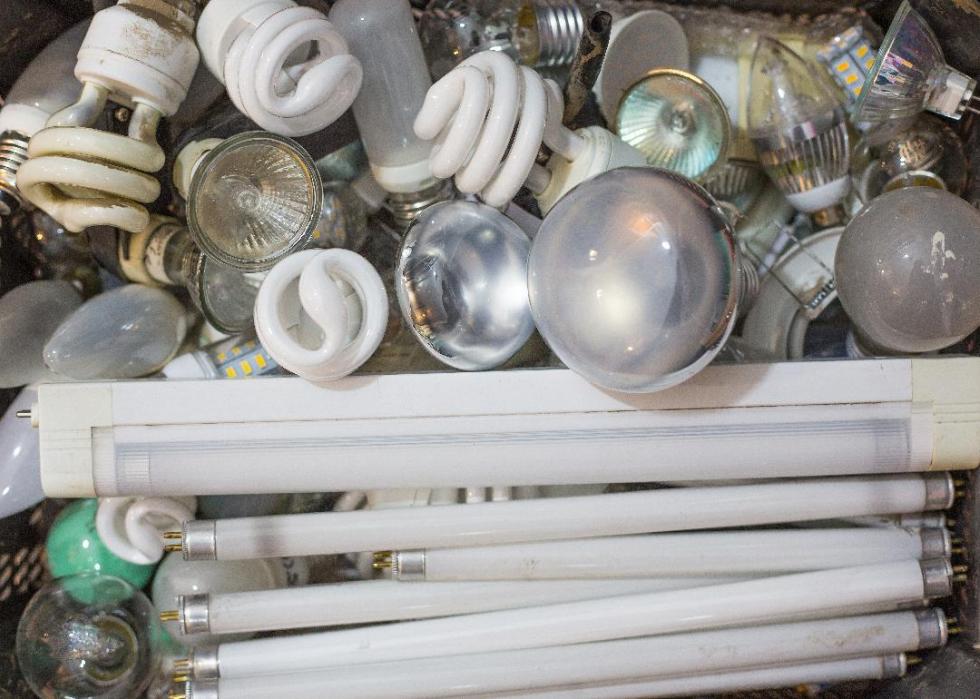
Light bulbs are tough to weigh environmentally because incandescent bulbs crave more energy, leading to carbon dioxide emissions. Yet, fluorescent (CFL) and LED bulbs contain more than metal components such as lead, copper, and zinc, causing resources depletion and potential toxicity, co-ordinate to the National Eye for Biotechnology Data. The takeaway is that whether you're using regular light bulbs or alternative versions, y'all should be conserving them as much every bit possible.

8 / 30

Vitaliy Kyrychuk // Shutterstock

Wearing apparel

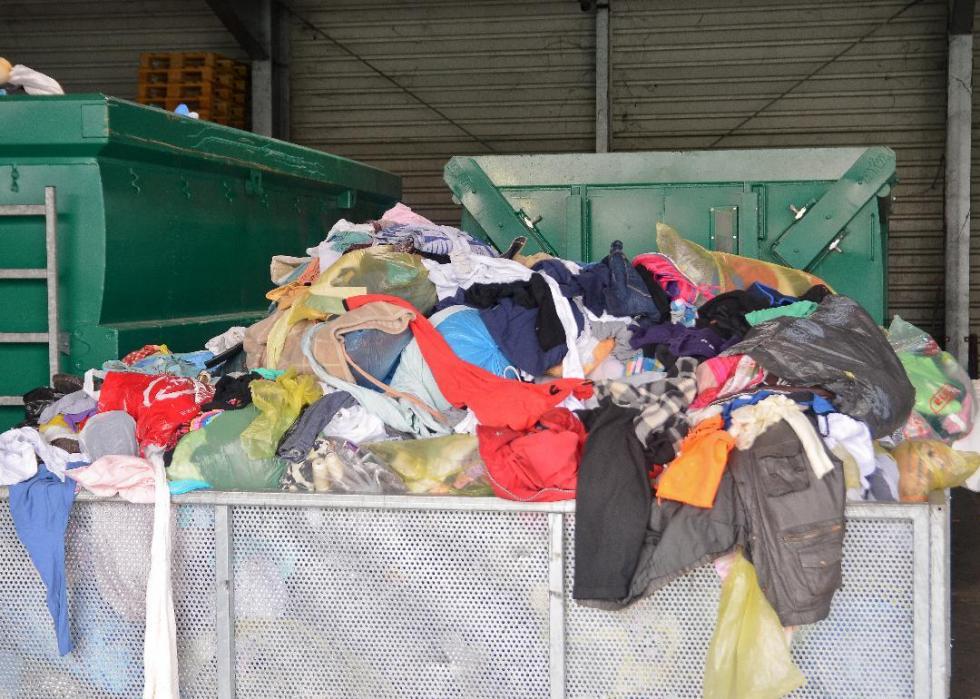
Y'all don't necessarily think of your clothes as contributing to environmental destruction. But according to Greenpeace, the fashion industry produced 92 million tons of waste in 2015 and consumed near 2.8 trillion cubic meters of h2o. On pinnacle of that, information technology emitted more than than a 1000000 tons of carbon dioxide. Shopping at second-hand stores, keeping your clothes until they wear out, and not shopping equally oftentimes are all ways to reduce your impact.

ix / 30

Spayder pauk_79 // Shutterstock

Toothpaste

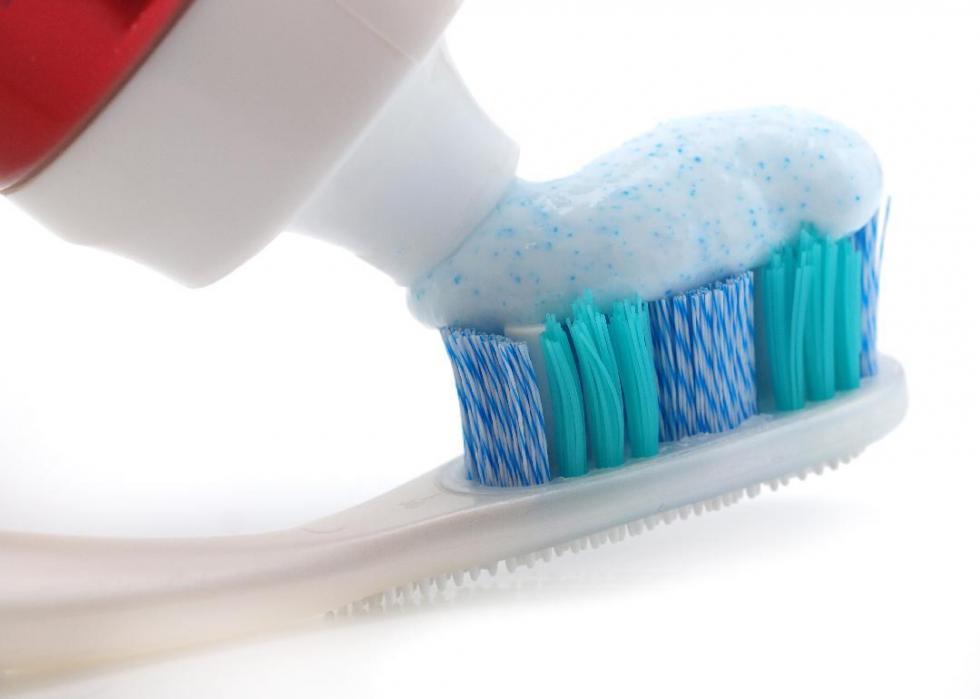
The environmental culprit behind toothpaste is microbeads—tiny bits of plastic likewise small for most water treatment plans to filter out. The issue is that they end up in rivers and oceans where they look like fish eggs and get eaten by aquatic animals. Non only that, they soak up toxic pesticides and metals. In the United States alone, in that location are an estimated 8 trillion microbeads contaminating the waterways. Many countries and states have banned the pocket-sized beads, which are also plant in soaps and other personal care products.

ten / 30

Africa Studio // Shutterstock

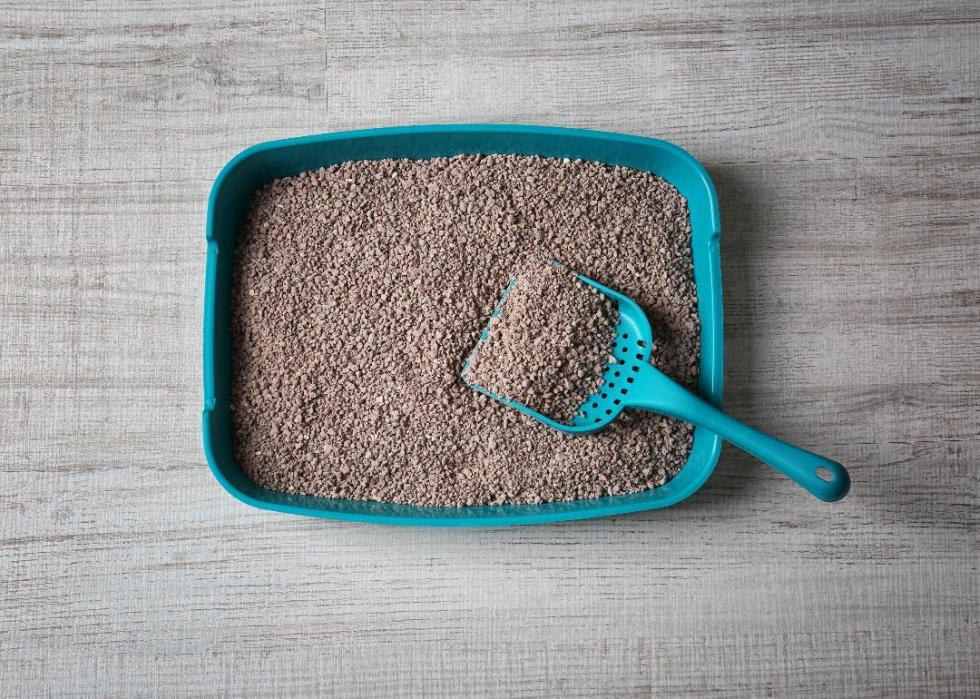
Cat litter

Lots of cat litter is fabricated with sodium bentonite clay, a mineral that'due south sourced via environmentally devastating strip mining. Besides cat litter contributing to the immigration of topsoil and the destruction of copse and habitat, it can as well be harmful to your cat if ingested. If you don't want to back up strip mining, opt for true cat litter without sodium bentonite. Too, be certain to always compost it.

11 / 30

China Photos // Getty Images

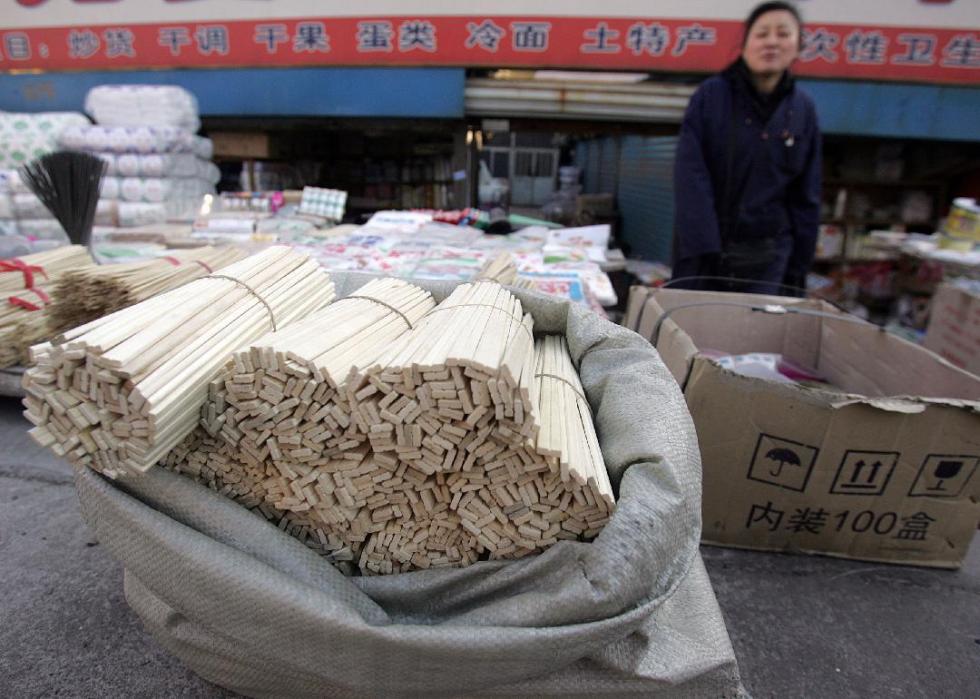
Chopsticks

As of 2013, China was producing fourscore billion pairs of disposable chopsticks every twelvemonth, requiring a massive 20 million copse to exist leveled. The trees that become chopped down include bamboo, cottonwood, spruce, and other varieties, all of which lead to increased carbon dioxide in the air. While many of the chopsticks are used in China, billions more than are exported to Japan, Southward Korea, Malaysia, and the U.s..

12 / 30

Joe Raedle // Getty Images

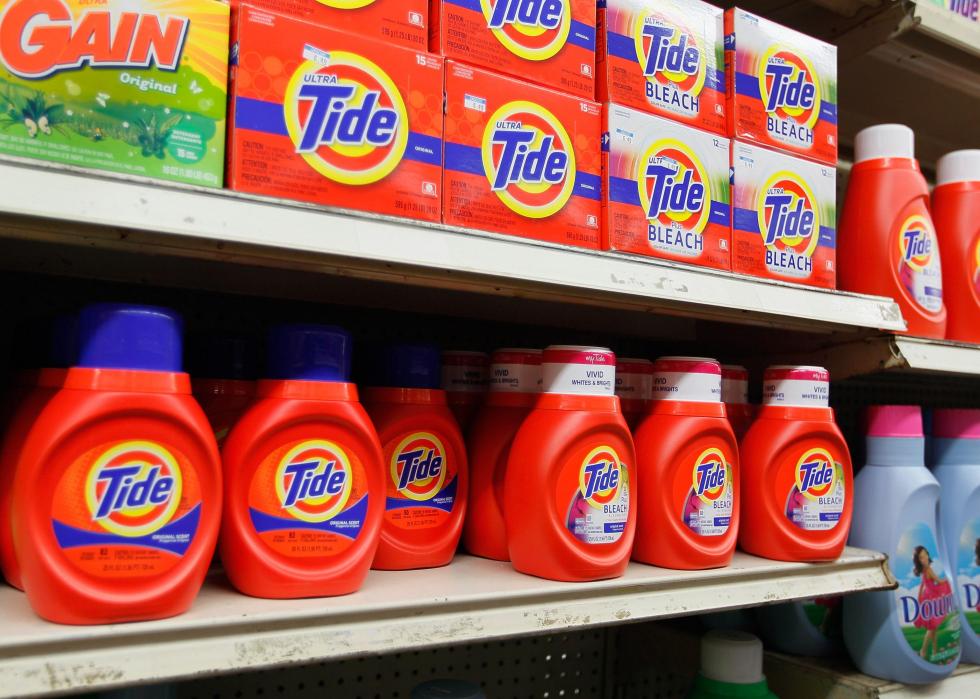
Laundry detergent

Laundry detergents are harmful to the environment, particularly aquatic life. This is largely considering of the phosphates in them that pollute waterways and pb to algae blooms. The blooms deplete oxygen in the water, suffocating fish and other marine life. Additionally, detergents typically contain surfactants, chemicals that elevator dirt from clothing but also contribute to marine destruction. To reduce your laundry footprint, choose phosphate-free options.

thirteen / thirty

Tatevosian Yana // Shutterstock

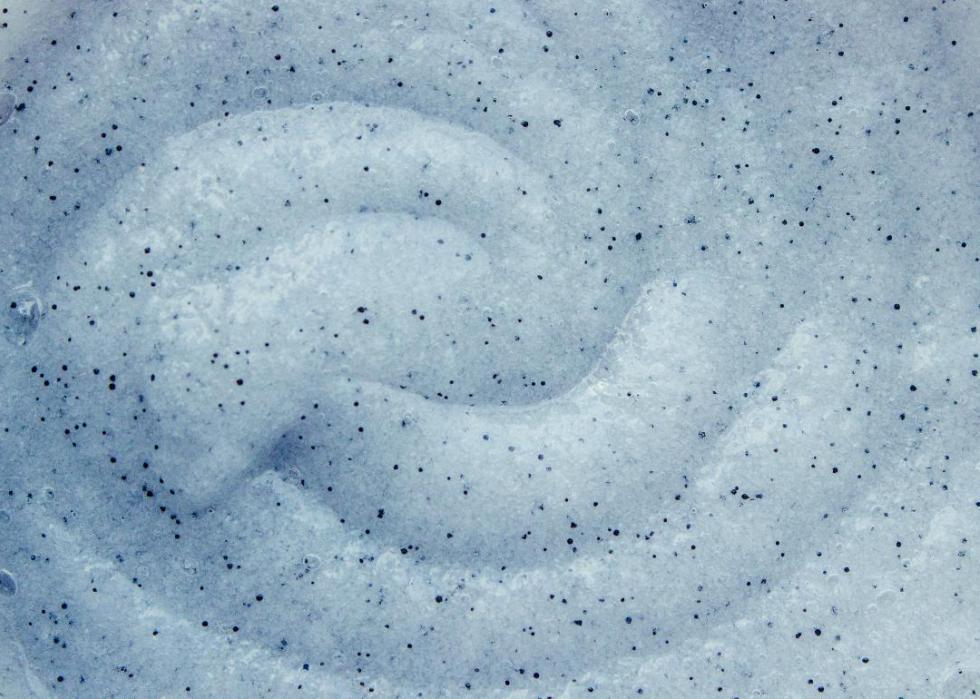
Exfoliating face wash

If your face wash has exfoliating properties, chances are that like toothpaste, it contains microbeads. According to Plymouth Academy, roughly 94,000 microbeads (which have polyethylene or other plastics) are flushed down the bleed every time y'all use your face wash with them in information technology. To combat this problem, look for microbead-free face washes.

fourteen / 30

Cigarettes

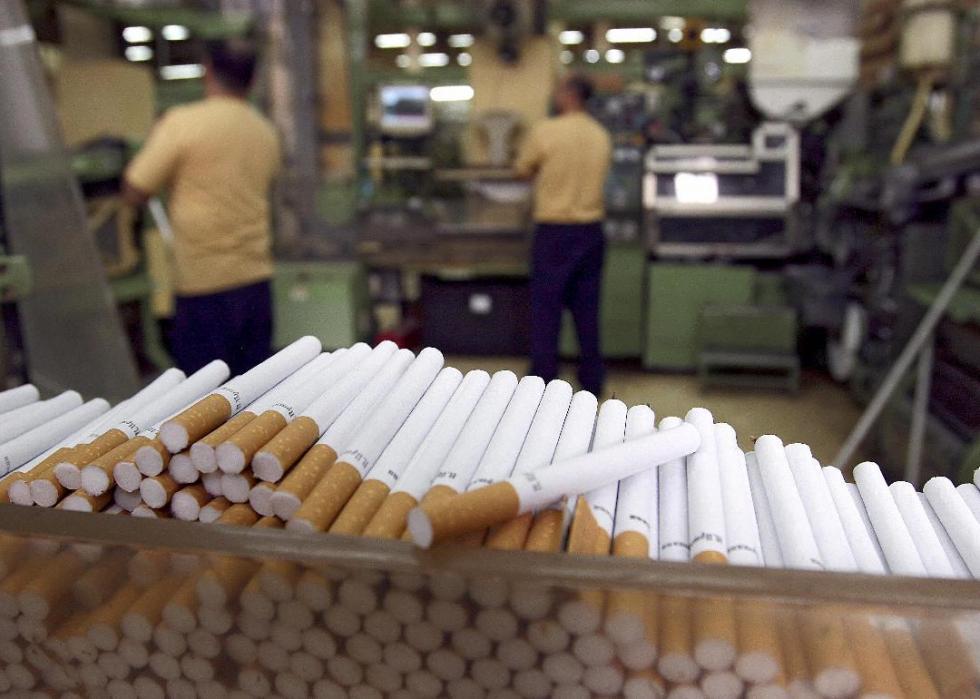
Those packs of cigarettes lying around the house aren't just bad for your health—they're devastating to the environment, too. Co-ordinate to the World Wellness Organization (WHO), tobacco harvesting is responsible for things similar deforestation, soil erosion, water pollution, and increased carbon dioxide emissions. The manufacturing and production of cigarettes also creates millions of tons of solid waste each year, and at that place'due south significant plastic, metal, and butane involved in the production of cigarette lighters. Plus, tobacco smoking itself leads to the emission of 2.half dozen 1000000 tons of carbon dioxide and v.two million tons of methane. All of this is before factoring in the waste product from the packaging and not-biodegradable filters that leach arsenic, lead, nicotine, and ethyl phenol into the soil and waterways.

xv / 30

Justin Sullivan // Getty Images

Bleach

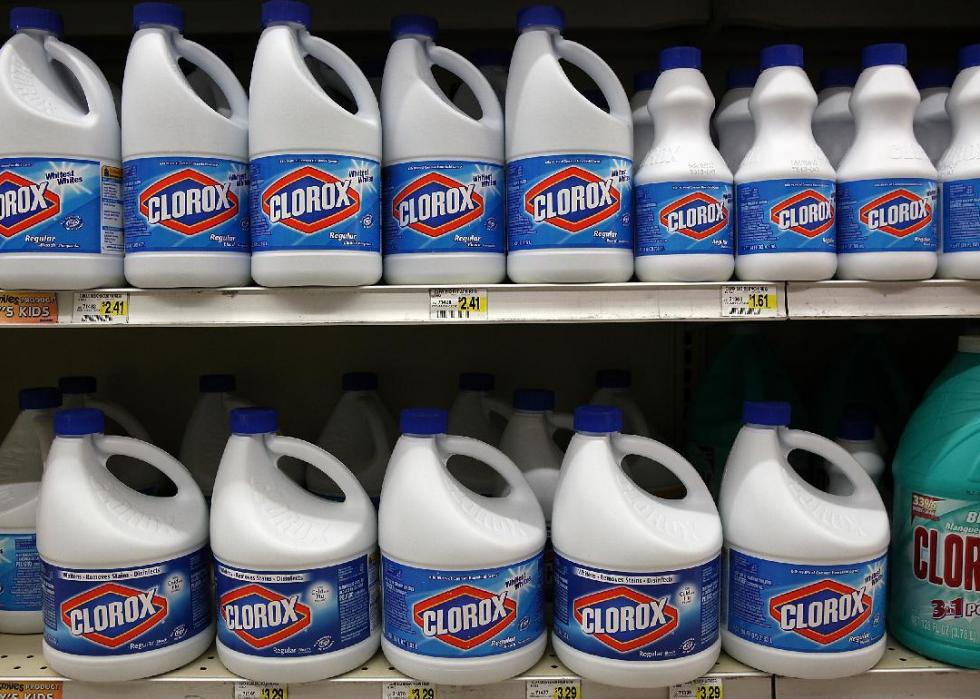
Co-ordinate to the Centers for Disease Control and Prevention's (CDC) Bureau for Toxic Substances and Disease Registry, there is trivial evidence to suggest that household bleach itself (not to be dislocated with liquid chlorine) is excessively harmful to the environment. This is partly because information technology degrades into salt, calcium, or hypochlorite in the soil and tin't typically brand it past sewage treatment plants. However, information technology is part of the organochlorine industry which has a huge environmental impact at the production level. "Arguably, past ownership household bleach, although information technology can be considered relatively innocuous in itself, it helps to prop upwards the whole organochlorine industry," Lucy Siegle wrote in The Guardian.

16 / xxx

Cell phones

You might non remember about your cell phone as a cause of ecological harm only in the digital age, e-waste is a growing environmental business organisation. In fact, according to researchers at Canada's McMaster University, smart phones and information centers will accept the tech industry'southward biggest carbon footprint by 2040. While cell phones don't consume a lot of energy to operate, producing them causes enormous emissions. Not simply that, they're designed to have short lives and thus create a lot of physical waste.

17 / thirty

MasAnyanka // Shutterstock

Tampons

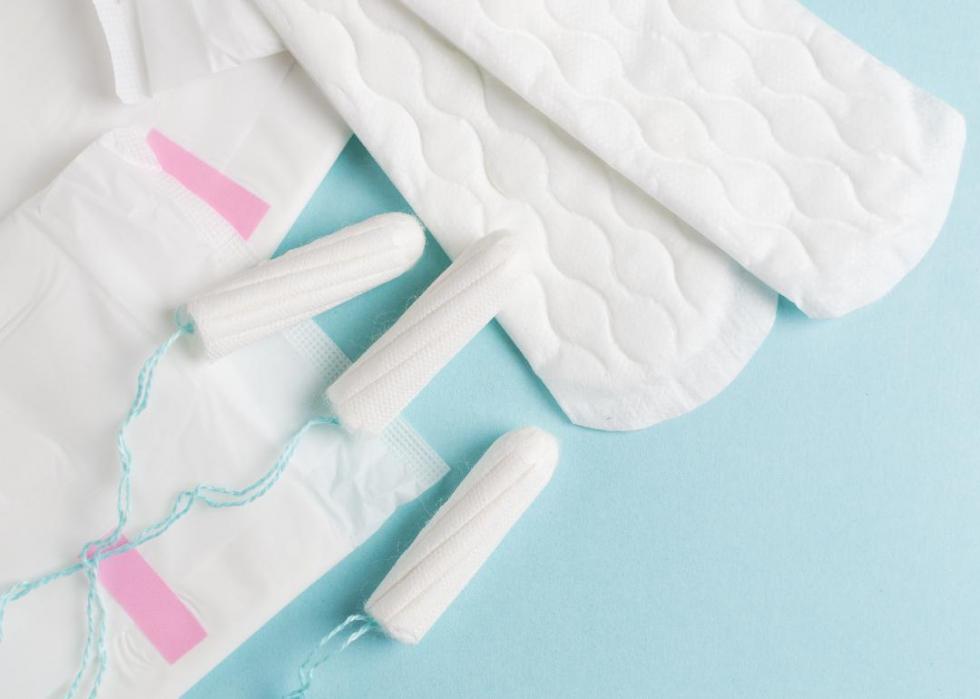
Over 100 billion tampons, maxi-pads, and other menstrual products are estimated to be disposed of every year, co-ordinate to The Telegraph. Simply in Due north America, about xx billion of those sit in landfills—most of which are not biodegradable. "A package of conventional sanitary pads tin can incorporate the equivalent of about four plastic bags," Dominique Mosbergen wrote for The Huffington Post. As a greener culling, try reusable options such as cups, sponges, and menstrual underwear.

18 / 30

Sandwich bags

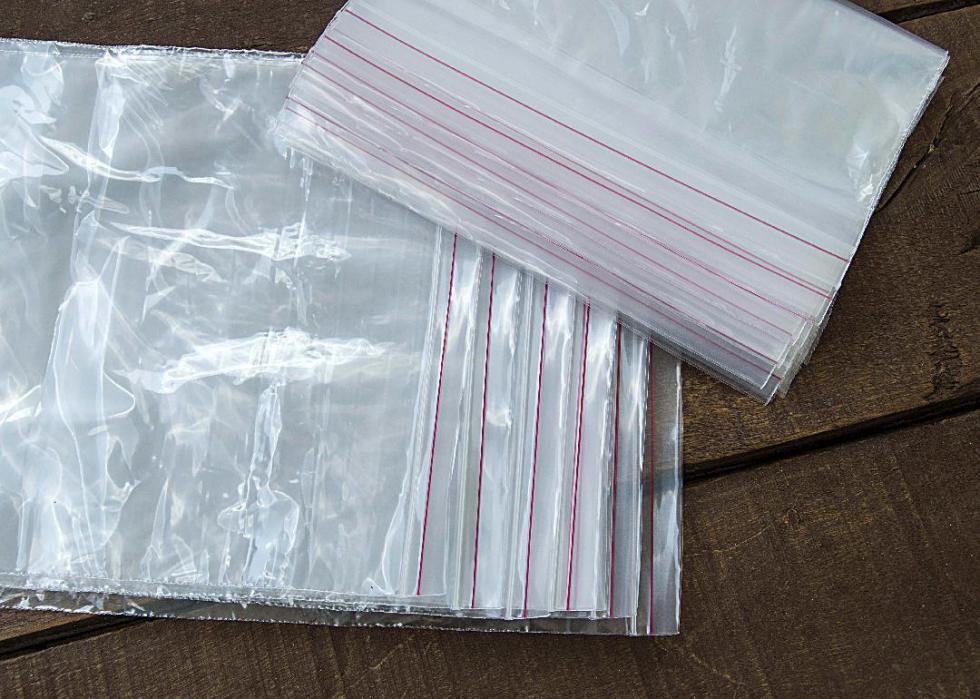
It might seem obvious given that they're plastic but sandwich bags are items that seldom gain much attention for their ecology impact—yet information technology is significant. "Like grocery bags, well-nigh sandwich baggies are made of polyethylene, a substance derived from natural gas," wrote Kiera Butler for Mother Jones mag. "Although sandwich numberless are smaller and denser than grocery bags, the two kinds actually weigh about the same." Even though it consumes water, the positive touch of washing and reusing the bags virtually probable outweighs the price, according to Darby Hoover of the Natural Resources Defense force Council.

19 / thirty

Kwangmoozaa // Shutterstock

Vegetable oil

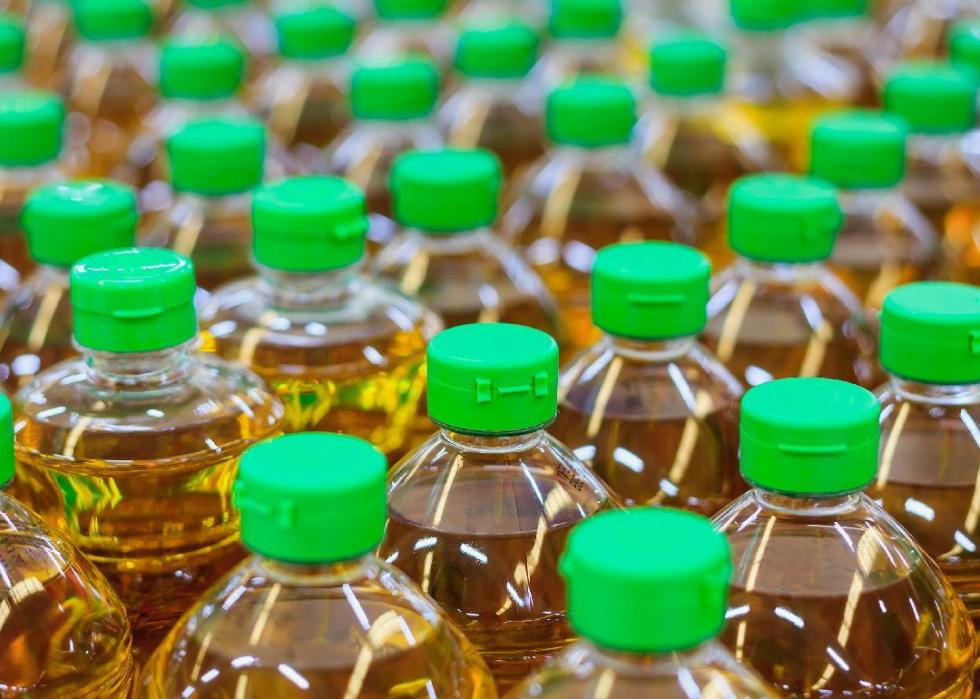
Co-ordinate to the EPA, vegetable oil causes similar environmental effects as petroleum oils. These include "devastating physical effects, such as blanket animals and plants with oil and suffocating them past oxygen depletion," too every bit destroying habitats, dissentious food supplies, and clogging h2o handling plants.

twenty / xxx

BORIMAT PRAOKAEW // Shutterstock

Razors

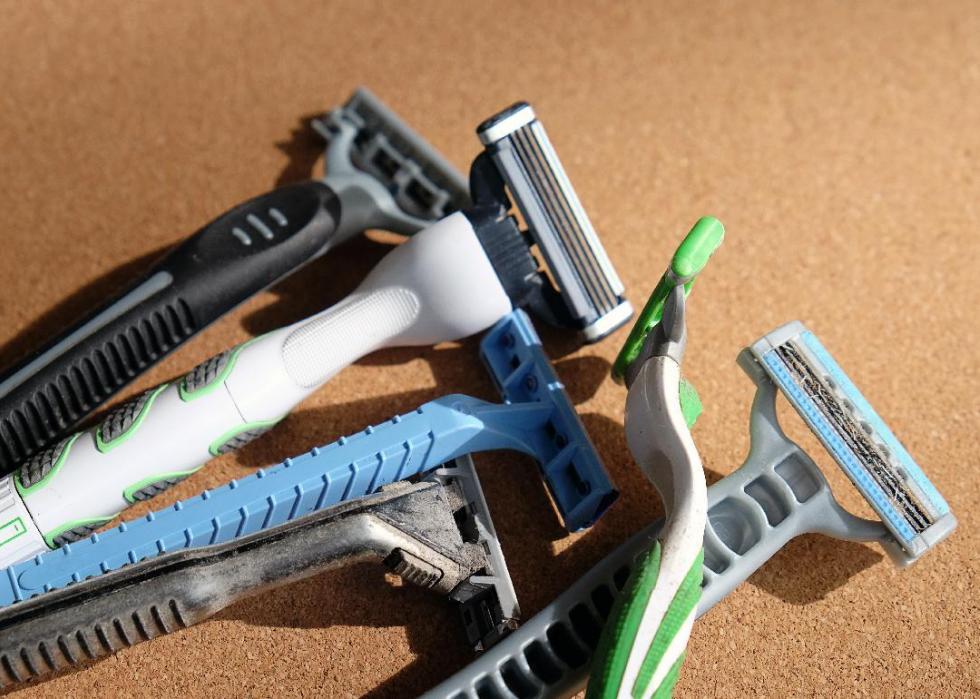
In 2018, roughly 163 million American consumers used dispensable razors, nigh of which ended up in landfills. They're not typically recyclable due to the mix of plastics they're constructed with, and the precipitous metallic objects inside them. However, TerraCycle—an organization that recycles difficult-to-recycle items—has a nationwide programme to assist with recycling razors.

21 / 30

Michael C. Gray // Shutterstock

Shaving cream

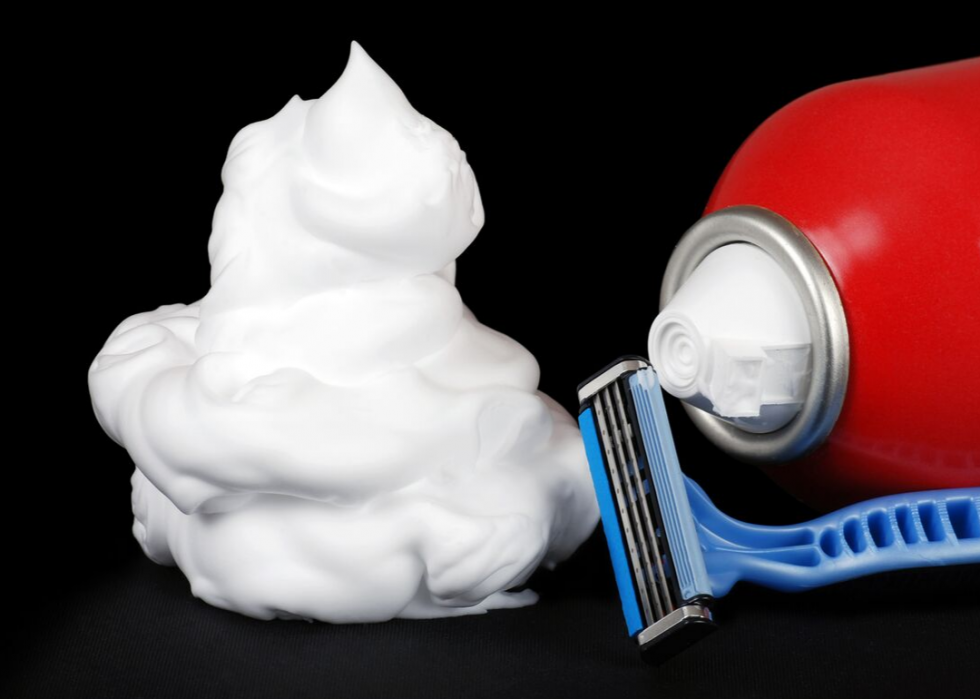
It'southward not only razors that are bad for the environment. Shaving cream, too, has a detrimental impact on the eco-system if you use aerosol cans—the containers which a keen many of the shaving creams come in. These cans contain hydrocarbon propellants, such as butane or propane, that contribute significantly to greenhouse emissions. For a greener shave, choose not-aerosol shaving creams.

22 / 30

Alex Livesey // Getty Images

Refrigerators

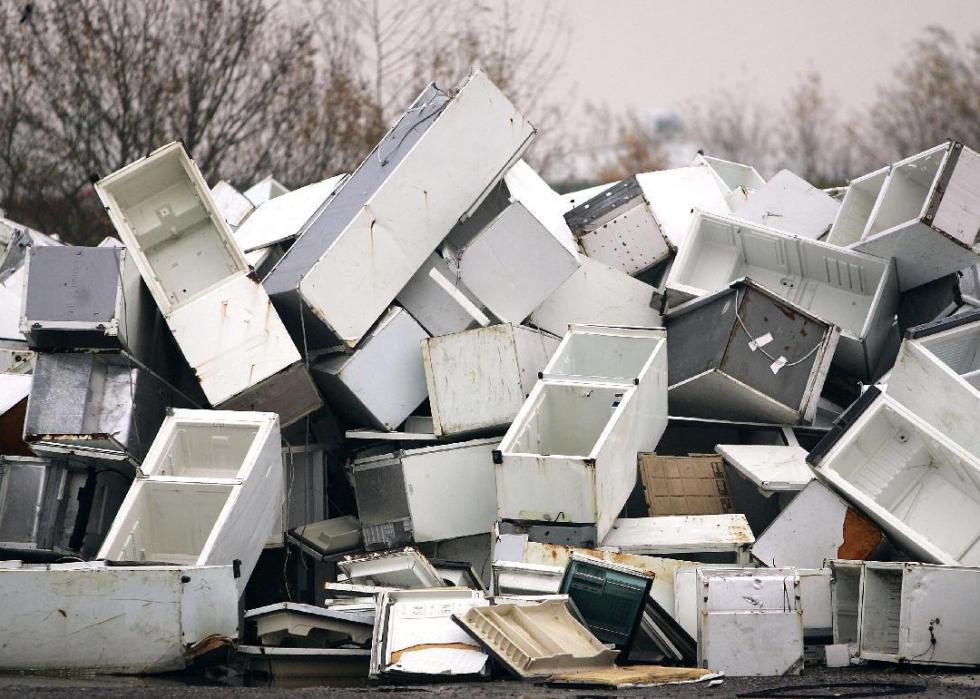
Not only does your refrigerator run on constant fossil fuel-consuming energy, information technology's also made with foam that contains a gas that's "1,000 times worse, molecule for molecule, than carbon dioxide," writes Matthew Wald of The New York Times. The good news is that at that place are alternatives such as hydrocarbon fridges that are made without R134a, the harmful gas. In 2017, the EPA allowed hydrocarbon fridges to exist used in the The states.

23 / xxx

Radu Bercan // Shutterstock

Coffee makers

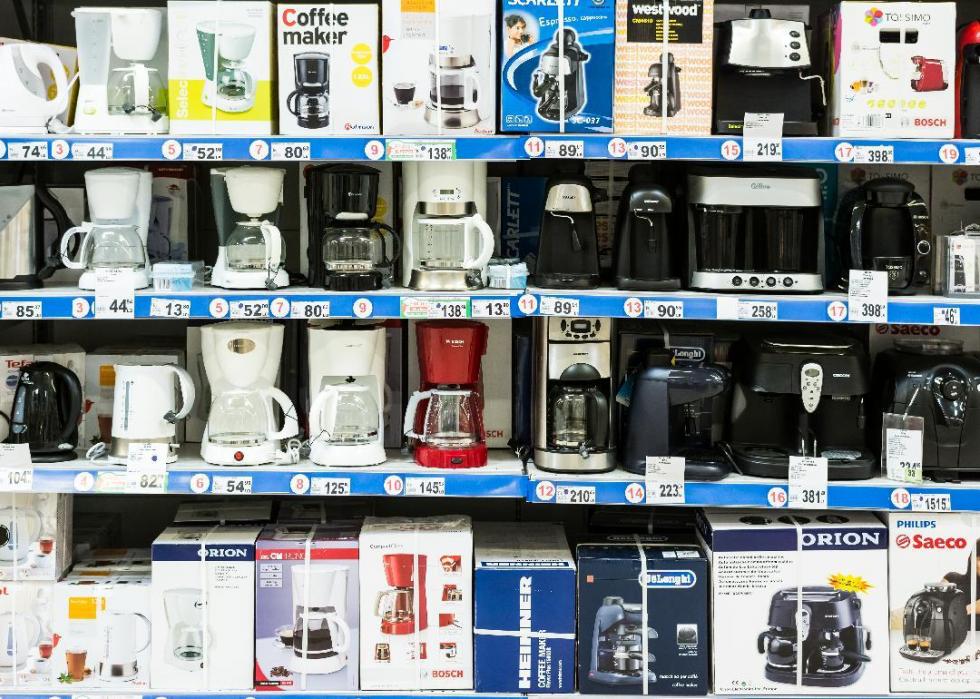
Regular drip coffee makers consume a lot of water, while espresso makers utilise a big corporeality of energy. According to Alf Hill, a lecturer at the University of Bath, these machines end upwards beingness worse for the environment than coffee pods and capsule machines, even though the latter go all the attention nearly their eco footprints. "Capsules tend to need less coffee input to make a single drink and then their overall impact tin can be lower even though we meet more waste when we throw them abroad," Colina explained.

24 / 30

StudioPortoSabbia // Shutterstock

Scented candles

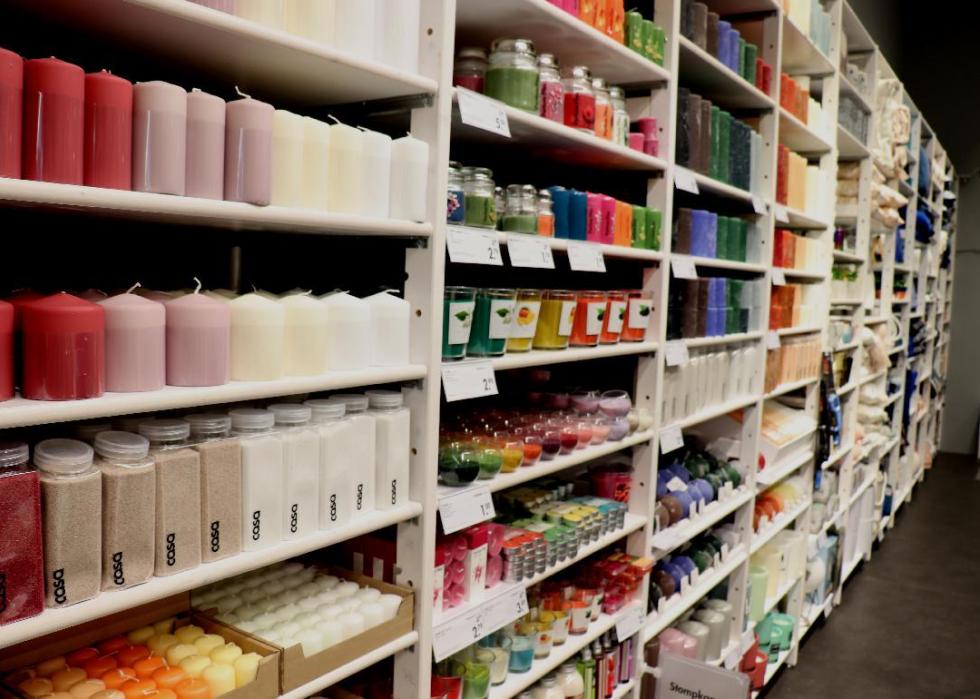
Scented candles incorporate paraffin wax which has been shown to touch air quality, emitting chemicals that crusade cancer and negatively affect people with asthma. Not but that, many candles accept wicks with cotton wool wrapped effectually metal which produces a soot that is toxic to breathe.

25 / 30

Chutima Chaochaiya // Shutterstock

Yoga mats

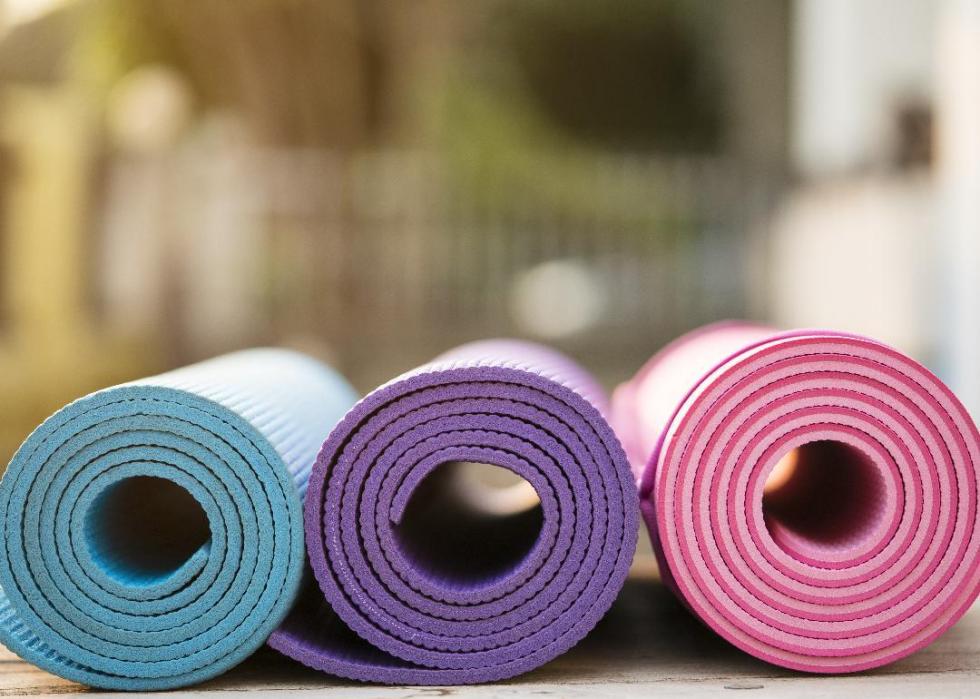
Yoga buffs are often associated with being eco-friendly and environmentally conscious. However, traditional yoga mats ofttimes are fabricated with polyvinyl chloride, a harmful plastic. To combat this, several sustainable yoga mat companies, like Yoga Blueprint Lab or Liforme, have sprung upward in recent years.

26 / 30

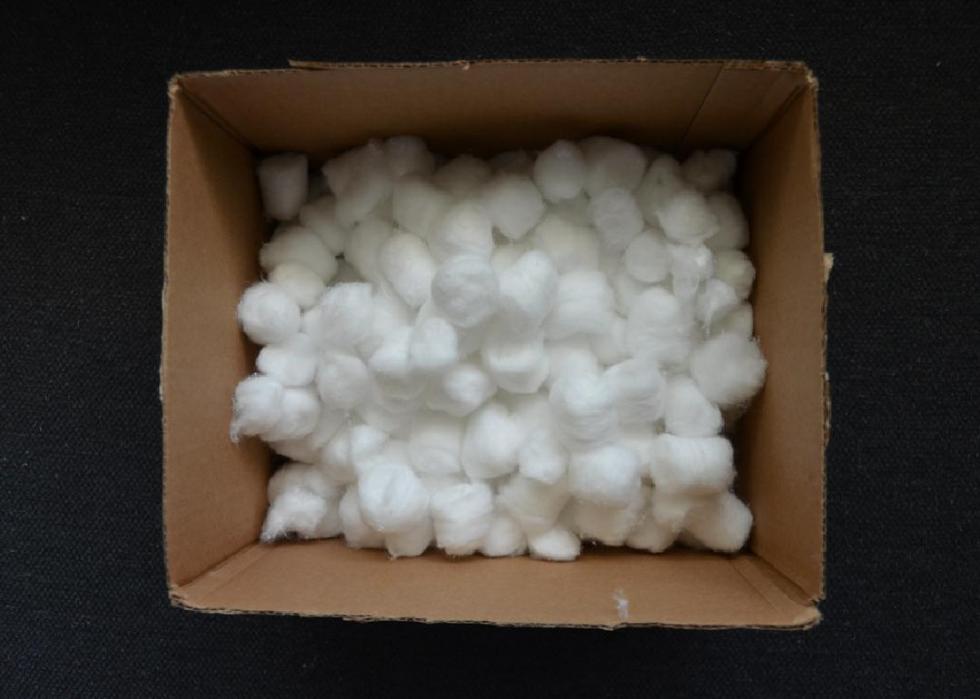
Cotton fiber balls

The problem with cotton balls isn't the balls themselves—they are biodegradable by nature. Nevertheless, their product consumes a huge amount of resource. According to the World Wildlife Fund, for example, over xx,000 liters of h2o are required to make ane kilogram of cotton.

27 / 30

AkulininaOlga // Shutterstock

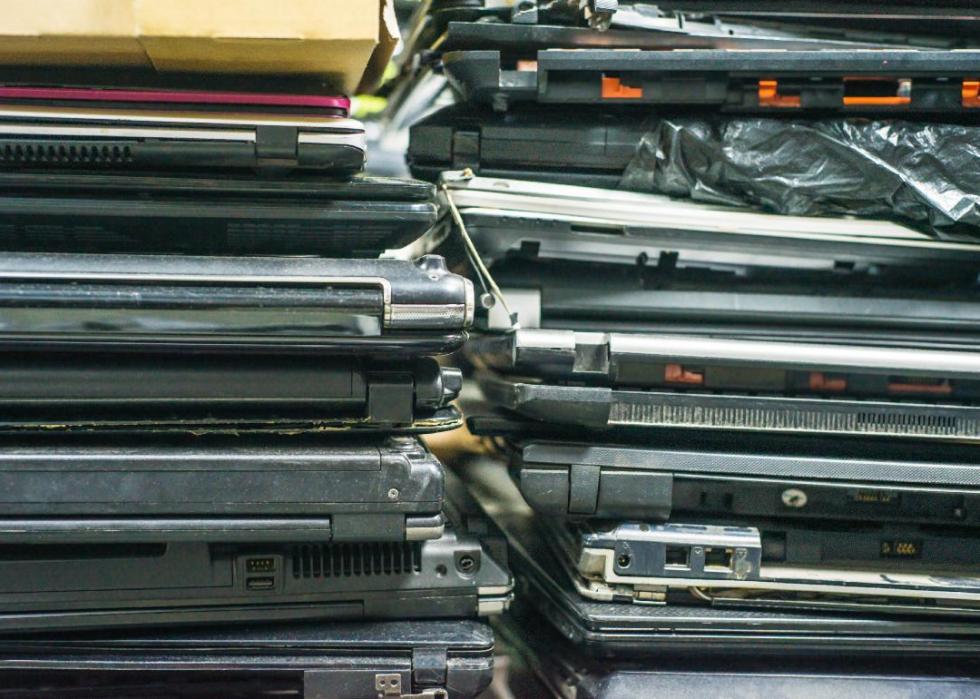
Laptops

Similar to jail cell phones, laptops are another example of personal electronics that are not environmentally friendly. Aside from the energy required to produce them, they often incorporate toxins such as mercury, pb, chromium, or other heavy metals, according to SFGate.com. When these striking landfills they accept the potential to pollute the soil and groundwater.

28 / xxx

Billion Photos // Shutterstock

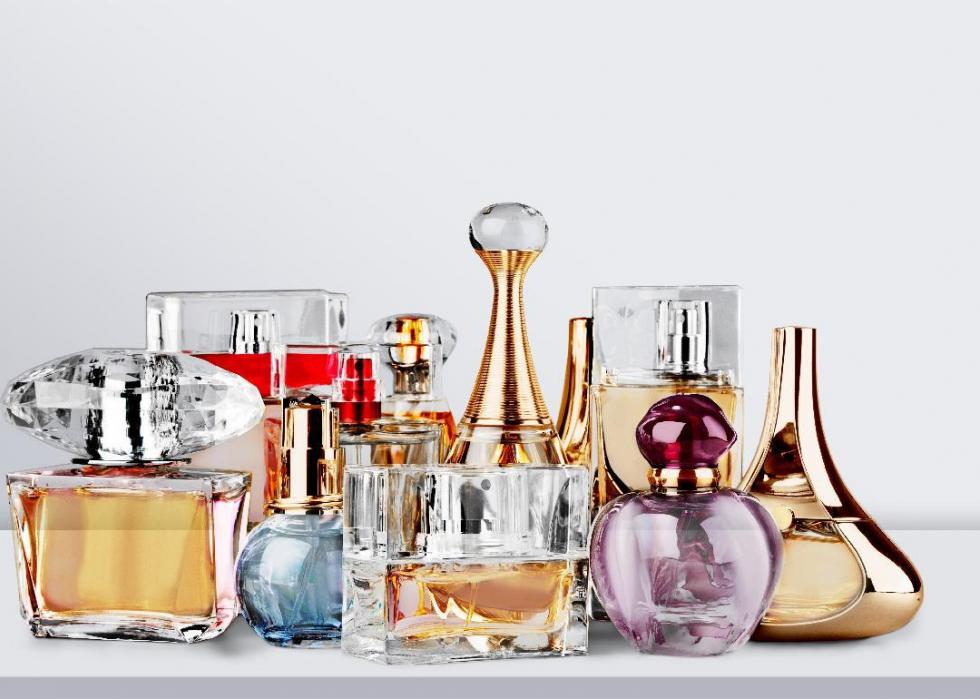
Perfume

Perfume contains chemicals called volatile organic compounds (VOCs) that react with other chemicals in the air, creating harmful ozone pollution. According to Allure'due south Macaela Mackenzie, perfume and other scented products like hair sprays, air fresheners, and paints, actually release the same amount of chemical vapors as petroleum emissions from cars.

29 / 30

Ferenc Cegledi // Shutterstock

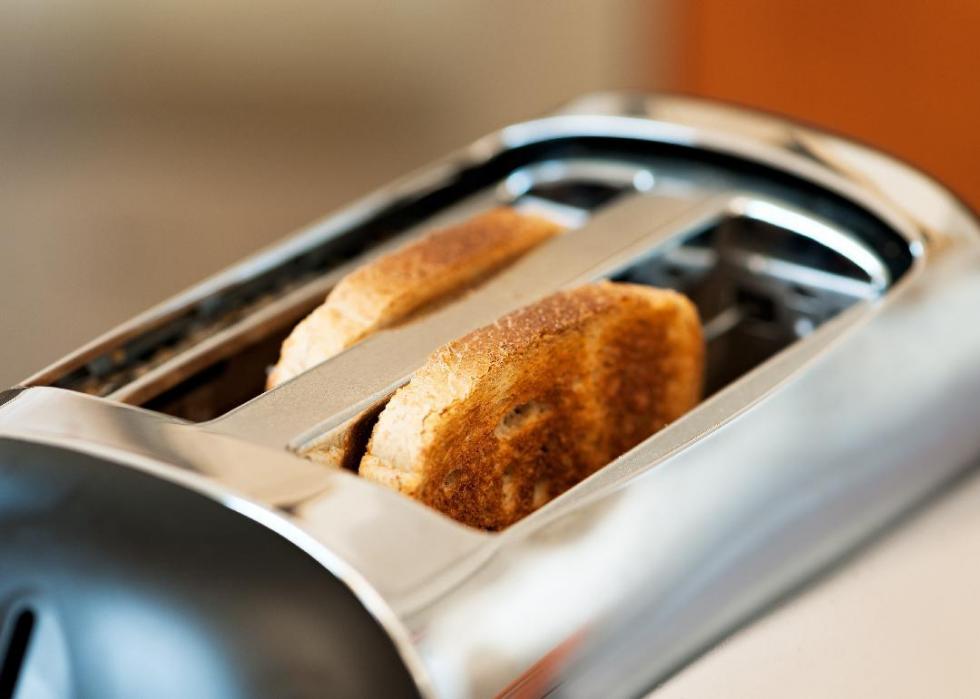
Toasters

You wouldn't think something as modest every bit a toaster would have much of an impact on air quality but researchers at the University of Texas found that toasters, along with candles and other smoke-making items, are more toxic than standing at a busy intersection breathing car fumes. They said that burnt toast is the worst so if yous must use the toaster, try to keep it on the lighter settings.

30 / 30

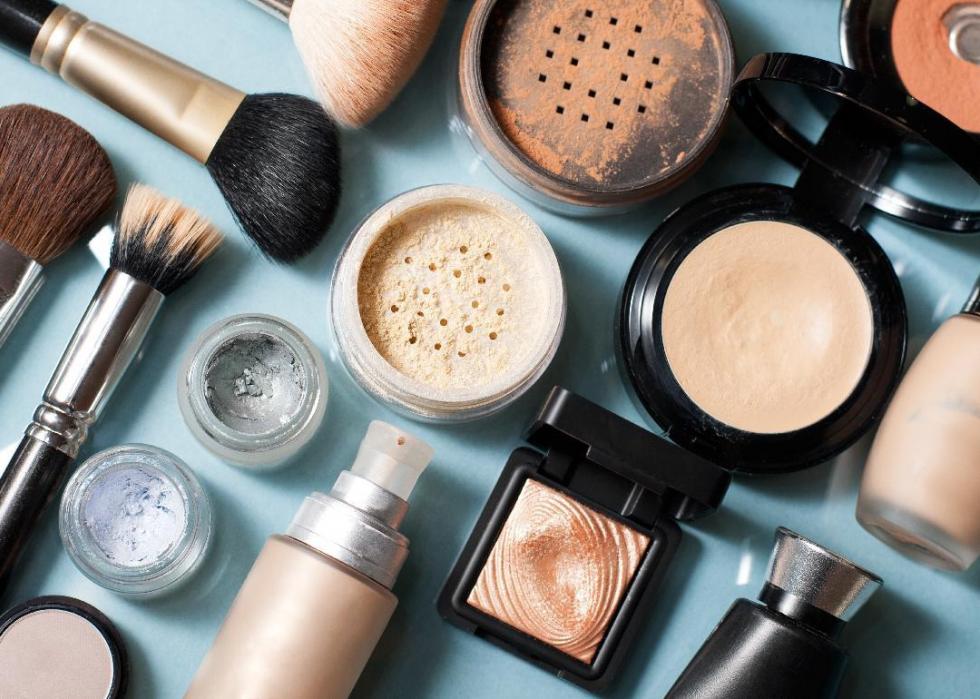
Makeup and cosmetics

This is another fix of items where microbeads are to blame. Lots of diverse makeups contain these harmful plastic chaplet, peculiarly blushes and foundations. Since not all of them exercise, however, information technology can be difficult to suss out which cosmetics are environmentally subversive. If your makeup is not specifically designed to exist eco-friendly or microbead-free, bank check the ingredients for things like polyethylene, nylon, polypropylene, or polymethyl methacrylate.

You may as well like: 10 biggest dangers to the Amazon rainforest

Trending At present